

What Is Retinal?
Retinal, also known as retinaldehyde, is a form of vitamin A.
Retinal and retinol both need to be converted by the skin into retinoic acid, the active form used by the skin. Retinal requires one conversion step, while retinol requires two. This is one reason retinal is generally considered a faster-acting form of vitamin A than retinol.
It is commonly used in skincare routines focused on:
- Smoother-looking skin
- Uneven texture
- Fine lines
- Dull-looking skin
- Overall skin renewal
What Is Retinal & Why Is It Different From Retinol?
Retinal, also known as retinaldehyde, is a vitamin A derivative used in skincare. Like retinol, it is converted into retinoic acid — the active form that skin can use. The key difference is that retinal requires one conversion step, while retinol requires two, making retinal a more direct form of vitamin A.
Faster-Acting Vitamin A
With one conversion step, retinal can work more directly to support smoother-looking skin and improved texture.
Smooths & Refines
Helps support natural skin renewal, improving the appearance of uneven texture and fine lines.
Best Used at Night
Vitamin A is light-sensitive, so retinal is best incorporated into your evening skincare routine.
Pair With Hydrating Ingredients
K-beauty formulas often combine retinal with ingredients such as Centella, Ginseng and Hyaluronic Acid to help keep skin comfortable and hydrated.
How to Use Retinal: A Simple Step-by-Step Guide
Keep your routine simple when starting out. A consistent approach can help your skin adjust more comfortably.
1. Cleanse & Dry
In the evening, gently cleanse your face and let your skin dry completely before applying retinal.
2. Apply a Pea-Sized Amount
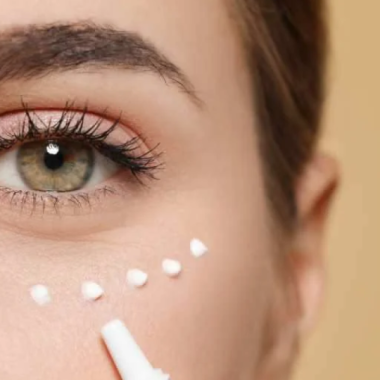
Use a small, pea-sized amount for your entire face. Spread it evenly and avoid the immediate eye area unless the product is specifically designed for it.
3. Follow With Moisturiser
Apply a gentle, hydrating moisturiser afterwards to help keep your skin comfortable. If your skin is sensitive, try the moisturiser → retinal → moisturiser sandwich method.
4. Wear SPF Every Morning
Use a broad-spectrum sunscreen every morning as part of your routine, especially when using vitamin A products.
How Often Should You Use Retinal?
Start low and slow. For the first 2 weeks, use retinal once every 3 nights. If your skin feels comfortable, gradually move to every other night.
After around 4–6 weeks without lingering irritation, you can consider building towards nightly use.
There’s no need to rush — gradual use helps your skin adjust and supports long-term consistency.
Choose Your Retinal
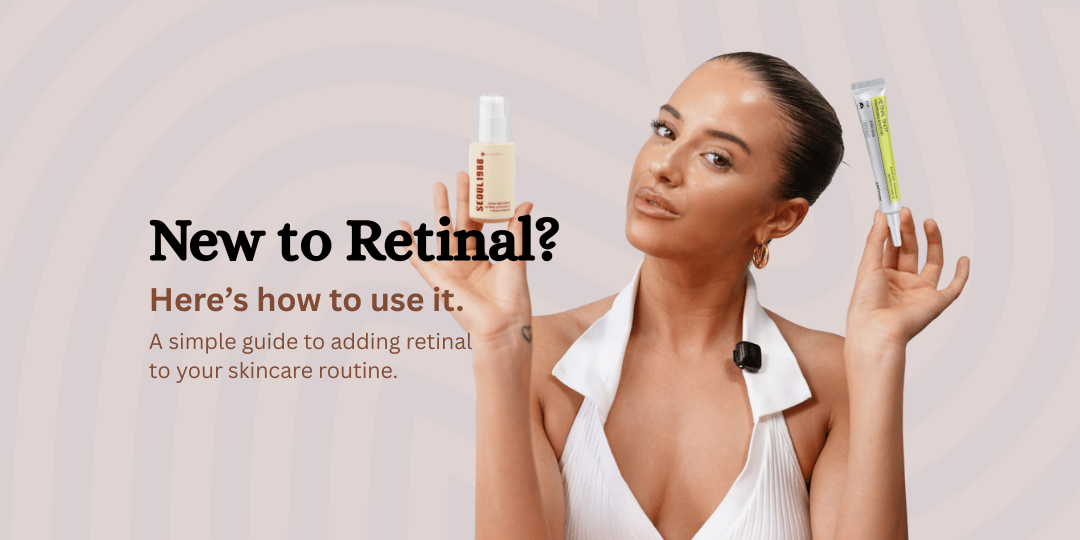
Not sure where to start? or How to use retinal? Your ideal choice depends on your skincare journey. Explore these three K-beauty options,om gentle care to all-over treatment and targeted boosting — and find the one that fits your routine.
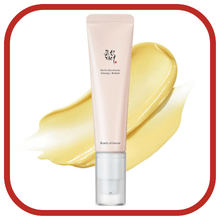
1. NEW TO RETINAL
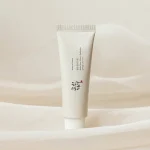
BEAUTY OF JOSEON
Revive Eye Serum: Ginseng + Retinal
Best for: sensitive & first-time retinal users
Tackles: fine lines, tired-looking eyes
Bonus: Ginseng helps nourish the delicate eye area
A gentle retinal eye serum designed to help smooth the appearance of fine lines while keeping the eye area hydrated and nourished.
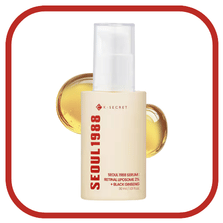
2. READY TO COMMIT
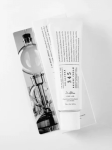
KSECRET SEOUL 1988
Serum: Retinal Liposome 2% + Black Ginseng
Best for: those ready for a more targeted retinal routine
Tackles: fine lines, uneven texture, dull-looking skin
Bonus: Retinal + Black Ginseng for firming and revitalising care
A retinal-focused serum for those ready to take their vitamin A routine to the next level.
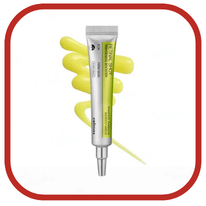
3. TARGETED BOOST
CELIMAX
The Vita-A Retinal Shot Tightening Booster
Best for: targeted firming & texture care
Tackles: fine lines, uneven texture, loss of firmness
Bonus: concentrated retinal formula
A targeted retinal booster designed for skin looking for extra firming and smoother-looking texture.
What to Expect: Your Retinal Journey
Everyone’s skin responds differently, so think of this as a general guide rather than a guarantee.
- Weeks 1–2: Getting Started
Your skin is adjusting to vitamin A. You may notice mild dryness or tightness. Start with retinal once every three nights and keep your skin well moisturised.
- Weeks 2–4: Adjustment Phase
This is the retinisation period. Light flaking or temporary congestion may occur. If your skin feels comfortable, gradually move towards every other night.
- Weeks 4–8: Smoother Skin
As your skin builds tolerance, you may notice improved smoothness, radiance and texture. You can gradually increase usage if your skin remains comfortable.
- Weeks 8–12+: Building Results
With consistent use and daily SPF, improvements in the appearance of fine lines, texture and uneven tone may become more noticeable.
When to Take a Break
Mild dryness or light flaking can happen during adjustment. If you experience persistent stinging, swelling, severe redness or broken/weeping skin, stop using retinal, focus on gentle hydration and speak with a pharmacist or skin professional.
Remember: Consistency matters more than intensity. 🤍
What to Pair With Retinal and What to Avoid
Plays Well With Retinal
- Hyaluronic Acid — Helps keep skin hydrated
- Niacinamide — Supports the skin barrier and helps calm skin
- Gentle Moisturiser — Helps maintain comfort and hydration
- Daily SPF — An essential step in your morning routine
Better to Keep Separate
- AHAs & BHAs — Avoid combining while your skin is adjusting
- Physical Scrubs — Can increase irritation
- Strong Active Ingredients — Avoid layering multiple new actives at once
- Vitamin C — Use it separately, preferably in your morning routine
Frequently Asked Questions
1. How do you use Retinal in a skincare routine?
Apply Retinal at night after cleansing and before moisturiser. Start with a small amount and keep the rest of your routine simple. Use SPF every morning.
2. How often should beginners use Retinal?
Start slowly by using Retinal once every three nights for the first two weeks. If your skin remains comfortable, gradually move to every other night.
3. Is it normal for skin to peel or break out when starting Retinal?
Mild dryness or light flaking can happen during the adjustment period. Persistent burning, swelling or severe redness is not considered normal and should be checked by a professional.
4. Where does Retinal go in your routine?
Use Retinal after cleansing and hydrating steps, but before moisturiser. Keep it in your evening routine.
5. Can you use Retinal with Vitamin C, Niacinamide or exfoliating acids?
Niacinamide and Hyaluronic Acid can be paired with Retinal for hydration and barrier support. Keep Vitamin C for your morning routine and avoid using AHAs or BHAs on the same night while your skin is adjusting.
6. Retinal vs Retinol: Which should a beginner start with?
Retinal requires one conversion step to become retinoic acid, compared with two for Retinol. If you’re new to vitamin A, start gradually with a suitable low-strength formula and build tolerance over time.